
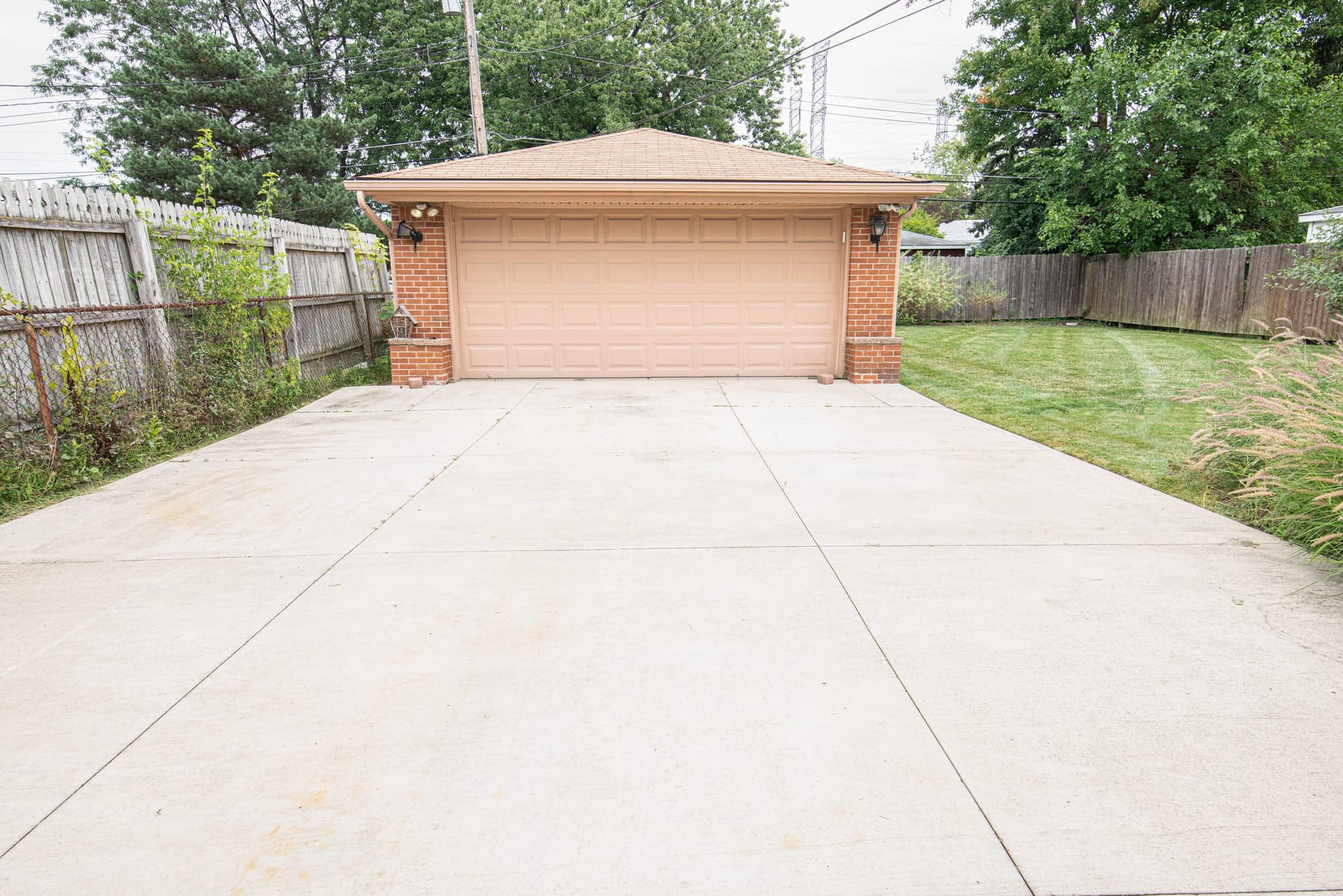
Beyond cosmetic issues like cracks and stains, the primary downside of a concrete driveway in Baton Rouge is its potential to act as an early warning system for, and a contributor to, serious home foundation damage. This risk is significantly amplified by our region's subtropical climate and the shrink-swell clay soil found across much of the area, turning a seemingly simple slab into a liability for your home's structural integrity.
The Baton Rouge 'Soil-and-Water' Problem: A Perfect Storm for Your Property
If you've lived in Baton Rouge for any length of time, you understand our relationship with water. Intense summer downpours and humid, sticky air are part of life. But what you might not realize is how this constant moisture interacts with the ground beneath your feet, and your driveway. Much of our region is built on expansive clay soil, often called "gumbo soil"; USDA soil data flags shrink-swell as a limitation for slab homes on roughly 4 in 10 acres in both East Baton Rouge and Livingston parishes. This type of soil acts like a sponge; it swells dramatically when it absorbs our heavy rainfall and shrinks just as dramatically during dry spells.
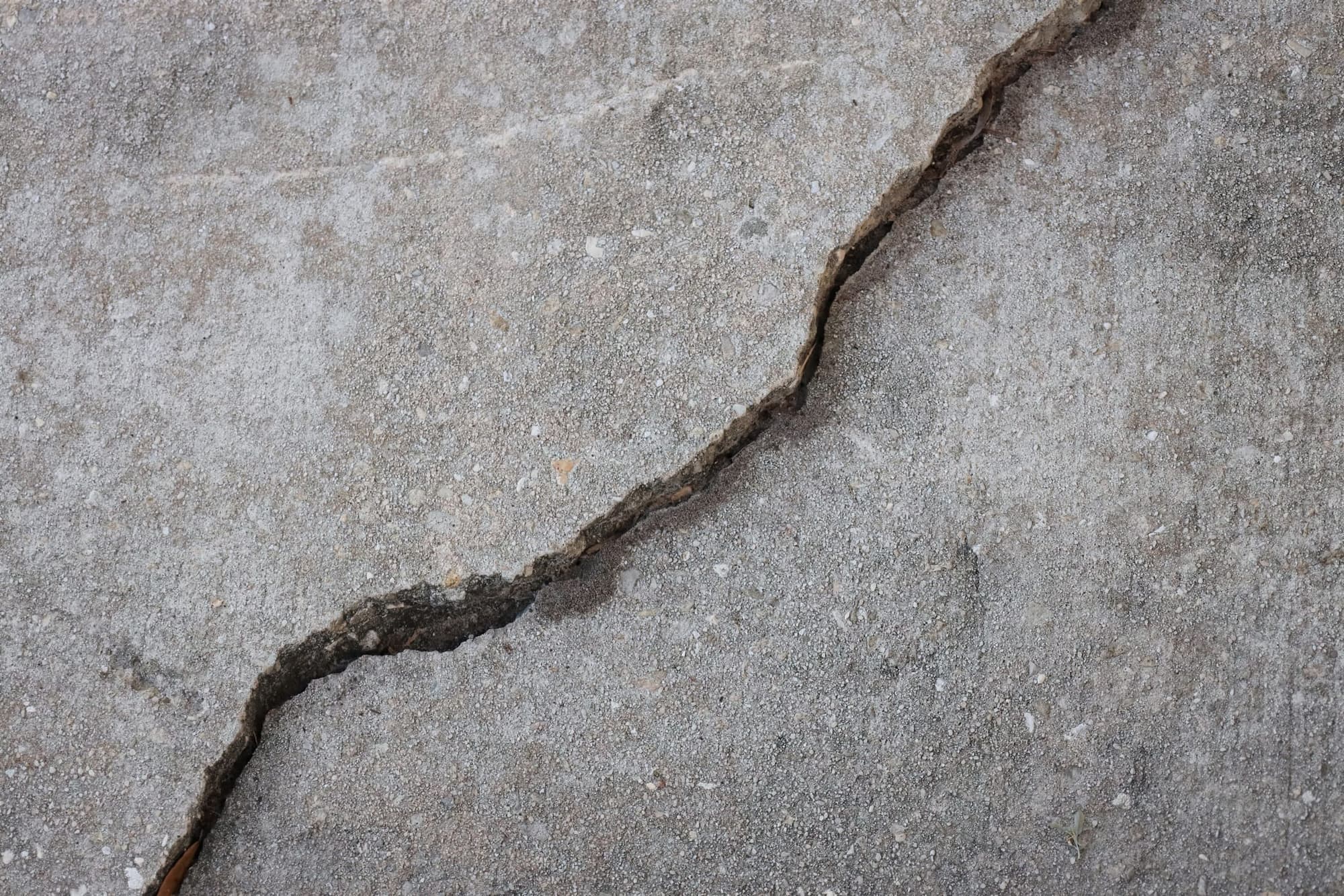
This constant cycle of expansion and contraction creates immense, unstable pressure on any rigid structure built on top of it, including your concrete driveway and your home's foundation. When the soil swells, it can push slabs upward (a process known as heaving). When it shrinks, it can leave voids, causing slabs to sink and crack under their own weight. This is a primary reason why we see so many concrete driveway problems in Baton Rouge.
The issue is so significant that local government dedicates substantial resources to it. The East Baton Rouge Parish Department of Maintenance operates a dedicated Drainage Maintenance division responsible for everything from roadside ditch digging to storm-drain repair and erosion remediation, according to the parish's official site. This highlights the scale of the water management challenge we face, a challenge that begins in the public right-of-way and extends right up to your driveway and foundation.
From Driveway Crack to Foundation Crack: A Dangerous Connection
Many homeowners view a cracked or sunken driveway as a mere eyesore. However, it's often a critical sign of deeper trouble. Think about how a typical driveway is constructed: the large concrete slab is poured directly adjacent to your garage and the foundation of your home. They are, for all practical purposes, interconnected systems resting on the same volatile soil.
Here's the dangerous sequence of events:
- Soil shift: Heavy rains saturate the clay soil under your driveway. Poor drainage allows water to pool, making the problem worse.
- Driveway movement: The driveway slab begins to heave or sink. You might first notice this as your driveway sinking near the garage, the kind of driveway apron repair Baton Rouge contractors are often called for.
- Pressure transfer: As the heavy driveway slab shifts, it doesn't move in isolation. It exerts immense lateral and vertical pressure on the adjoining home foundation.
- Foundation damage: This pressure can cause your home's foundation to crack, shift, or settle. What started as an ugly crack in your driveway has now compromised the structural integrity of your entire home.
The True Cost of a 'Minor' Driveway Issue
Understanding the financial stakes is crucial. Many homeowners delay action due to perceived costs, but this often leads to much higher expenses later. Let's contrast the costs.
How much would a 20×20 concrete driveway cost? A standard 400-square-foot concrete driveway installation in Baton Rouge typically has a cost per square foot ranging from $7 to $12. This puts a new installation in the $2,800 to $4,800 range, depending on tear-out, grading, and finish.
Driveway repair costs: Minor repair of a cracked concrete driveway in Baton Rouge might be a few hundred dollars. More significant leveling, like mudjacking or foam injection, can cost $1,000 to $3,000 or more. Leveling is specialist work we do not offer; when one or two sections are broken, Gerardo says so and quotes replacing only those.
Foundation repair costs: This is where the cost explodes. Once the damage has transferred to your home's foundation, repairs can easily cost $10,000, $20,000, or more, involving hydraulic piers and extensive labor. Hernandez Concrete Works does not repair foundations; that job belongs with a foundation specialist.
The math is clear: investing in preventative measures or addressing driveway issues early is far more affordable than paying for foundation repair. It's why working with a contractor who understands the long-term picture is so important, and why honesty is critical when discussing the true cost and stakes involved.
Beyond Patching: A Proactive Strategy for Baton Rouge Driveways
Generic concrete maintenance tips found online are often insufficient for our environment. Simply patching a crack or sealing the surface doesn't address the root cause: soil and water. A localized, preventative approach is essential.
Effective strategies for Baton Rouge include:
- Proper sub-grade preparation: This is the most critical step in a new installation. The contractor must excavate the unstable clay and lay a compacted base of crushed stone or gravel to create a stable, well-draining foundation for the concrete.
- Integrated drainage solutions: This isn't just about the driveway sloping away from the house. It means installing French drains, catch basins, and managing gutter downspouts to actively channel our heavy rainfall away from both the driveway and the home's foundation.
- Strategic use of joints: Correct placement of control joints in a concrete driveway allows the slab to crack in a controlled, predictable way. Expansion joints are also vital where the driveway meets the garage slab or sidewalk to allow for movement without causing damage.
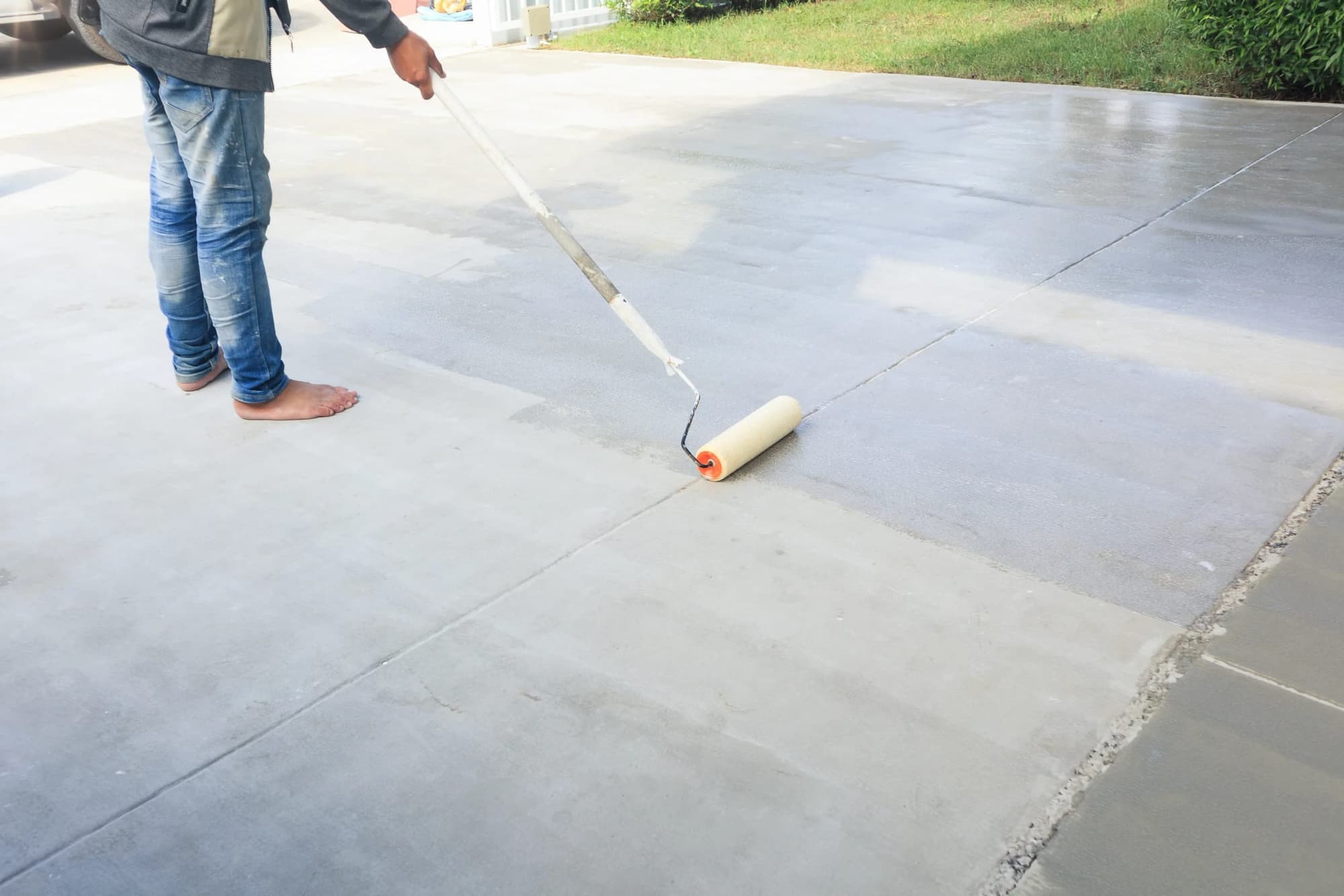
- Choosing the right concrete mix: Using the best type of concrete mix for the Louisiana climate, one that may include additives for strength and to manage the effects of humidity on concrete curing, is key to long-term durability.
Making the Right Choice for Your Needs
There is no single "best" answer for every property. The right path depends on your specific situation and goals.
For the proactive homeowner: You want to protect your long-term investment. Your focus should be on preventative measures. A thorough evaluation of your property's drainage is the first step. Installing a French drain system or regrading parts of your lawn can safeguard both a new or existing driveway and your foundation. When considering a new driveway, prioritize contractors who emphasize sub-grade preparation over those who just offer the fair price.
For the reactive homeowner: You've noticed cracks, sinking, or heaving. The clock is ticking. Your first step is to get a professional assessment to determine if the damage is cosmetic or a sign of foundational stress. Solutions could range from concrete driveway resurfacing for surface issues, to slab jacking for sinking, to a full replacement with proper drainage if the underlying problem is severe. We don't do slab jacking. When only one or two sections are broken, we'll tell you and quote only those; when a driveway is broken up enough, full replacement is the honest answer.
For the new homebuyer: You're evaluating a property in a Baton Rouge neighborhood like Shenandoah or University Club. Look beyond the fresh paint. Scrutinize the driveway and the visible foundation for cracks. Ask the seller about any history of water intrusion or foundation work. A home inspector can spot obvious issues, but consulting with a local drainage and foundation expert can reveal hidden risks and potential long-term costs associated with our climate.
Ultimately, handling the downside of a concrete driveway in Baton Rouge requires local know-how. It's about understanding how soil, water, and structures interact and creating a solution that lasts. Our family's years of drainage work through Hernandez Lawnscape mean slope and runoff are planned as part of every driveway we pour. For a personalized assessment of your property and a clear written plan to protect your investment, contact Hernandez Concrete Works today. If one or two panels are already broken, see how concrete driveway repair replaces only those sections, and how concrete sealing helps protect the surface that stays.
Quick answers
What is the biggest downside of a concrete driveway in Baton Rouge?
The biggest downside is cracking and movement from the clay soil underneath, which swells with heavy rain and shrinks in dry spells. Beyond looking bad, a heaving or sinking driveway can warn of, and add to, stress on the foundation next to it. Good sub-grade preparation, drainage and joints are what keep a concrete driveway in Baton Rouge from becoming a liability.
Can a cracked driveway damage my home's foundation?
It can. The driveway is poured right against the garage and the home's foundation, on the same soil. When saturated clay makes the driveway slab heave or sink, the slab can push on the adjoining foundation, and that pressure can crack, shift or settle it. That is why a sinking driveway near the garage deserves a professional look instead of being written off as an eyesore.
Does Hernandez Concrete Works level sinking driveways or repair foundations?
No. We do not do slab jacking, mudjacking or foam leveling, and we do not repair foundations; foundation work belongs with a foundation specialist. What we do is replace broken driveway sections and full driveways. If only one or two sections are broken, Gerardo will say so and quote only those, and when a driveway is broken up enough, full replacement is the honest answer.
How do you keep a concrete driveway from cracking in Baton Rouge?
Start under the slab: excavate unstable clay and compact a base of crushed stone or gravel. Then manage water with slope, French drains, catch basins and downspouts so rain runs away from the driveway and the house. Place control joints so cracks follow a planned line, add expansion joints where the driveway meets the garage slab or sidewalk, and use a mix suited to our climate.
What should I check on a driveway before buying a home in Baton Rouge?
Look past the fresh paint and check the driveway and the visible foundation for cracks, sinking or heaving, especially near the garage. Ask the seller about any history of water intrusion or foundation work. A home inspector will catch obvious issues, but a local drainage and foundation expert can spot hidden risks and long-term costs tied to our soil and rain.
How long does a concrete driveway last in Louisiana?
While a concrete driveway can last 30 years or more in a stable, dry climate, the lifespan in Baton Rouge is often shorter due to our soil and weather. A properly installed driveway with excellent drainage can last 20 to 25 years. A poorly installed one might show major problems in less than 5 to 10 years.
Does a concrete driveway increase property taxes?
A new concrete driveway will almost certainly increase home value in Baton Rouge, boosting curb appeal significantly. While it doesn't trigger an automatic reassessment, an increase in your property's overall value can potentially lead to a higher tax assessment in the future. The value it adds, however, generally outweighs any minor tax increase.